
Maximizing Grain Storage Efficiency: The Ultimate Guide to Optimum Moisture Content for Stored Grain
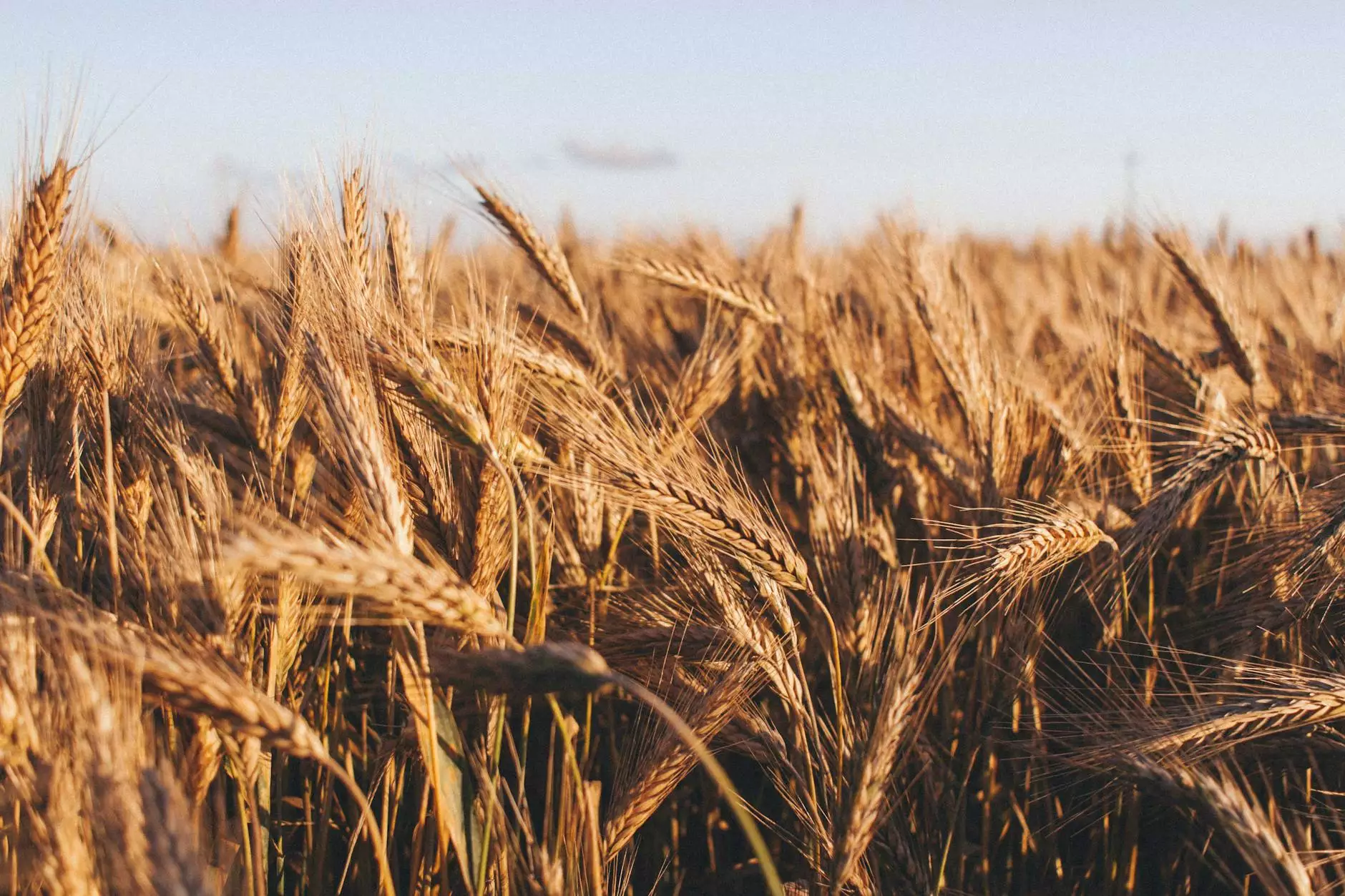
In the realm of modern agriculture, ensuring the quality and longevity of stored grain is a critical concern for farmers and agribusinesses alike. A key factor influencing the success of grain storage is maintaining the optimum moisture content for stored grain. This essential parameter plays a pivotal role in preventing spoilage, reducing pest infestations, and preserving the nutritional value of the harvest. In this comprehensive guide, we delve into the science, best practices, and advanced farm equipment solutions that enable farmers to achieve ideal storage conditions and optimize their operational efficiency.
Understanding the Importance of Proper Grain Moisture Content
grain moisture content directly impacts the physical stability and microbial activity within stored grain. Proper moisture regulation helps prevent microbial growth, mold formation, and insect infestations that can severely compromise grain quality. Conversely, too low moisture levels can cause the grains to become brittle and prone to cracking, leading to potential losses during handling and transportation. Therefore, identifying and maintaining the optimum moisture content for stored grain is vital for maximizing storage duration and preserving grain quality.
Defining the Optimum Moisture Content for Stored Grain
The optimum moisture content for stored grain varies based on the type of grain, storage duration, and environmental conditions. Typically, for common cereals such as wheat, corn, and barley, the advised moisture content ranges between 13% and 15%. Maintaining moisture within this window minimizes the risks associated with microbial growth and physical deterioration while ensuring safe storage.
Key factors influencing the optimum moisture content include:
- Type of Grain: Different grains have varying moisture tolerances.
- Storage Duration: Longer storage periods may require stricter moisture control.
- Storage Environment: Temperature and humidity levels in the storage facility.
- Quality of Harvest: Grain moisture at harvest impacts subsequent storage conditions.
Measuring and Achieving the Optimum Moisture Content
Accurate measurement of grain moisture content is essential. Farmers commonly use electronic moisture meters or laboratory testing kits for precise results. Once identified, achieving and maintaining the desired moisture level involves a mix of natural drying, artificial drying, and proper storage practices.
Methods to Attain and Maintain Moisture Balance:
- Natural Drying: Utilizing ambient conditions, airflow, and sun exposure to gradually reduce moisture.
- Artificial Drying: Employing mechanical driers with controlled heat to precisely dry the grain to desired levels.
- Optimal Storage Conditions: Maintaining cool, dry environments using advanced farm equipment ensures stable moisture content over time.
Role of Farming Equipment in Ensuring Optimal Moisture Content
Modern farming equipment plays an indispensable role in maintaining and controlling grain moisture levels during harvest, drying, and storage. The integration of advanced farm equipment repair and farming equipment solutions enables farmers to operate efficiently and uphold quality standards.
Industrial-Grade Grain Dryers
Quality grain dryers are engineered to extract excess moisture quickly and uniformly, preventing hot spots and ensuring consistent moisture content. Regular farm equipment repair keeps dryers functioning optimally, reducing downtime and energy consumption.
Grain Storage Silos with Aeration Systems
The deployment of farming equipment such as aeration fans within storage silos facilitates airflow management, helping to regulate moisture and temperature levels uniformly across stored grain. Proper maintenance and repair of these systems are crucial for sustained efficiency.
Moisture Monitoring Technologies
State-of-the-art moisture sensors and automated monitoring systems provide real-time data, enabling farmers to make informed decisions regarding drying and storage practices. Investing in reliable equipment repair services ensures these devices operate flawlessly.
The Impact of Proper Equipment Maintenance on Grain Storage
Consistent farm equipment repair and maintenance are vital to achieving and maintaining the optimum moisture content for stored grain. Malfunctioning dryers, faulty aeration fans, or inaccurate sensors can lead to improper moisture levels, risking spoilage and economic loss.
Regular inspections, calibration, and repairs of storage equipment prevent breakdowns and enhance operational lifespan. Furthermore, training staff to operate machinery correctly optimizes drying and storage processes, ensuring grains are stored at their ideal moisture levels.
Best Practices for Grain Storage to Maintain Optimum Moisture Content
Pre-Harvest Considerations
- Timely Harvesting: Harvest grains at the appropriate maturity stage to prevent moisture extremes.
- Initial Testing: Conduct moisture measurements immediately after harvest to determine if drying is necessary.
Drying Strategies
- Controlled Drying: Use modern grain dryers with adjustable settings for precise moisture reduction.
- Gradual Drying: Avoid rapid moisture loss to prevent grain cracking.
Storage Environment Management
- Temperature Control: Keep storage facilities cool to inhibit microbial activity.
- Humidity Management: Use aeration and dehumidification systems to maintain low humidity levels.
- Regular Monitoring: Continuously check moisture and temperature levels and adjust systems accordingly.
Innovations and Future Trends in Grain Storage
The agricultural industry continues to innovate with technology aimed at improving storage efficiency and grain quality. Some of the latest advancements include:
- Smart Storage Sensors: Wireless sensors that continuously monitor moisture and temperature, alerting farmers to any deviations.
- Automated Control Systems: Integrate moisture sensors with drying and aeration equipment for automatic regulation.
- Enhanced Equipment Durability: Use of corrosion-resistant materials and modular designs to simplify farm equipment repair.
Embracing these advancements allows for more accurate control of optimum moisture content for stored grain, resulting in less waste, higher profit margins, and better sustainability practices.
Conclusion
In summary, maintaining the optimum moisture content for stored grain is a cornerstone of successful grain storage management. It ensures quality preservation, reduces losses, and enhances overall operational efficiency. The combination of precise measurement, effective drying techniques, advanced farm equipment, and diligent maintenance forms the backbone of an effective storage strategy.
At TSGC Inc, we specialize in providing high-quality farm equipment repair and farming equipment solutions tailored to meet the specific needs of modern agriculture. Our products and services are designed to support farmers in maintaining ideal storage conditions, thereby safeguarding their harvests and maximizing profitability.
By investing in the right equipment, practicing diligent maintenance, and staying updated on the latest storage innovations, farmers can ensure their grain remains at the optimum moisture content, ultimately leading to greater efficiency and success in their farming ventures.


